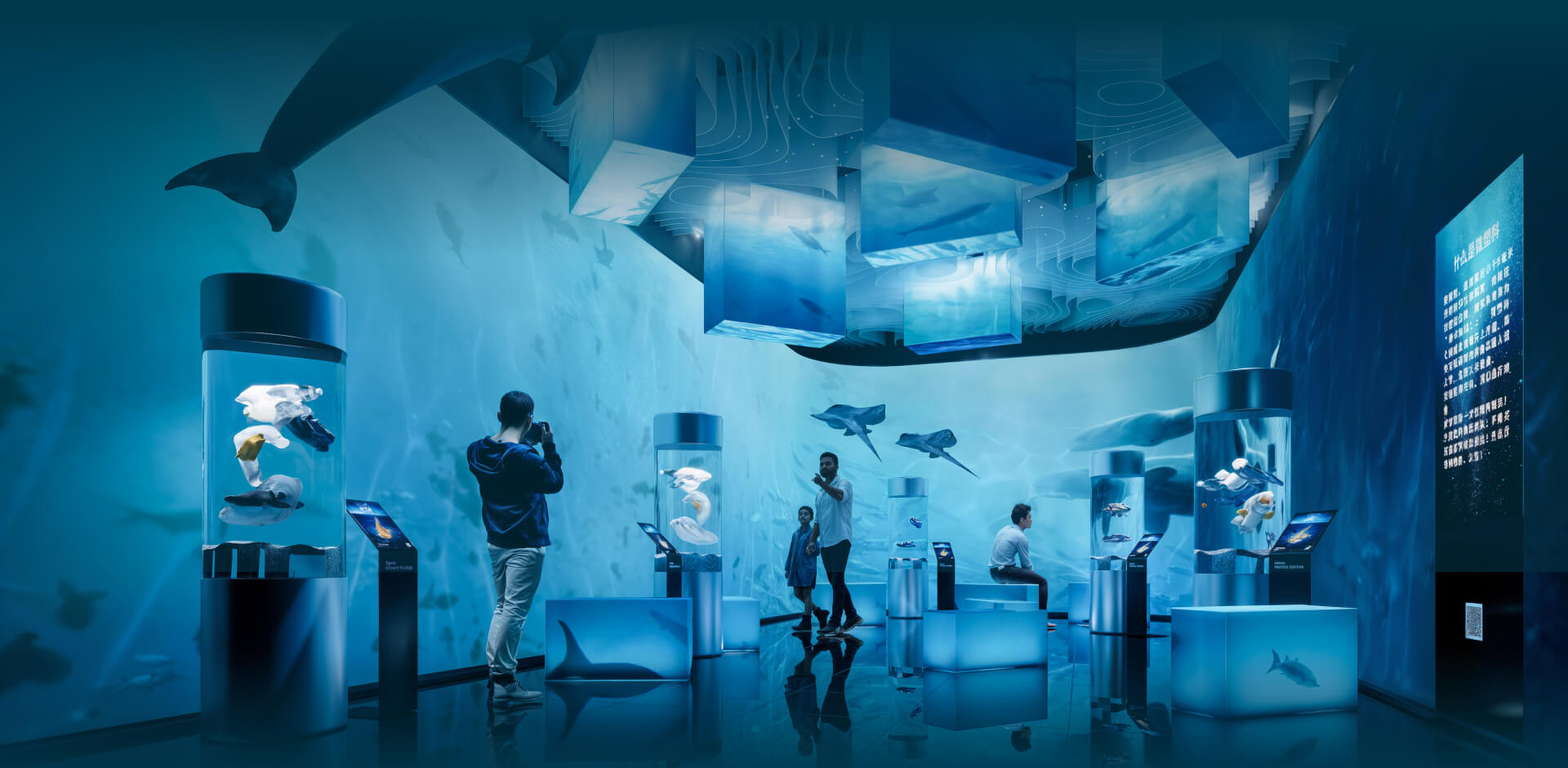
Alibaba Headquarters Acrylic Diving Pool: Creating a New Marine Experience with Transparent Acrylic Technology


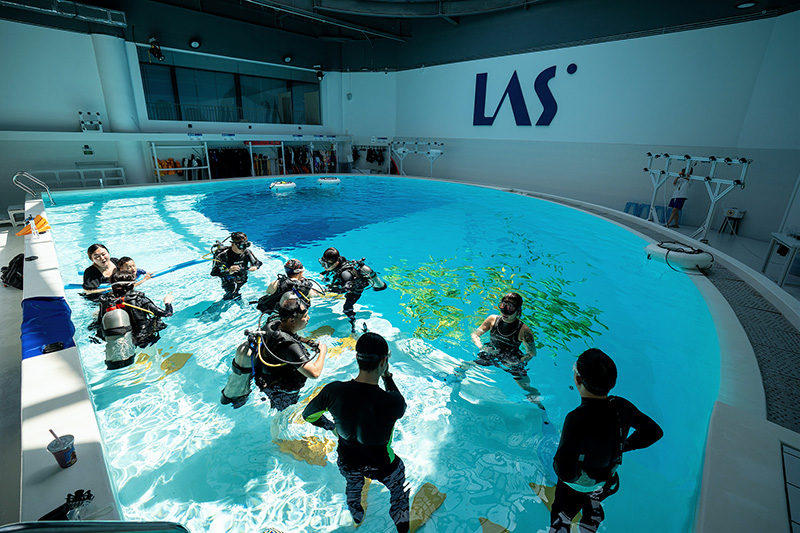
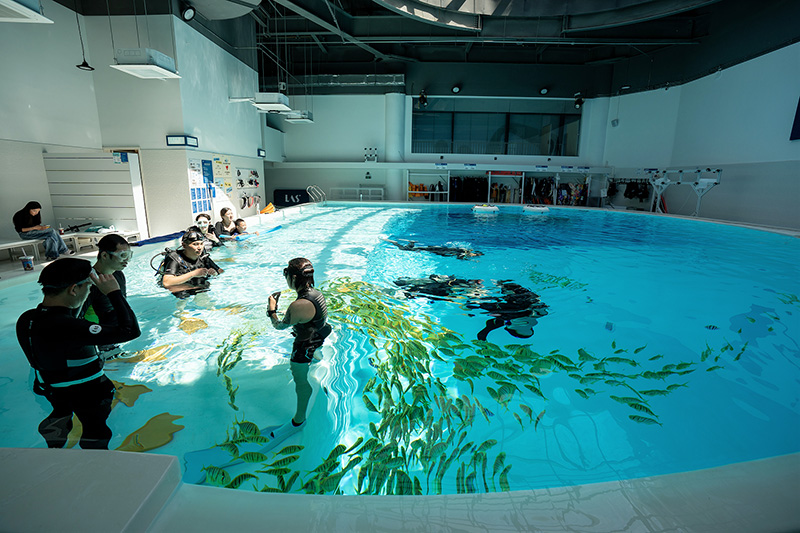
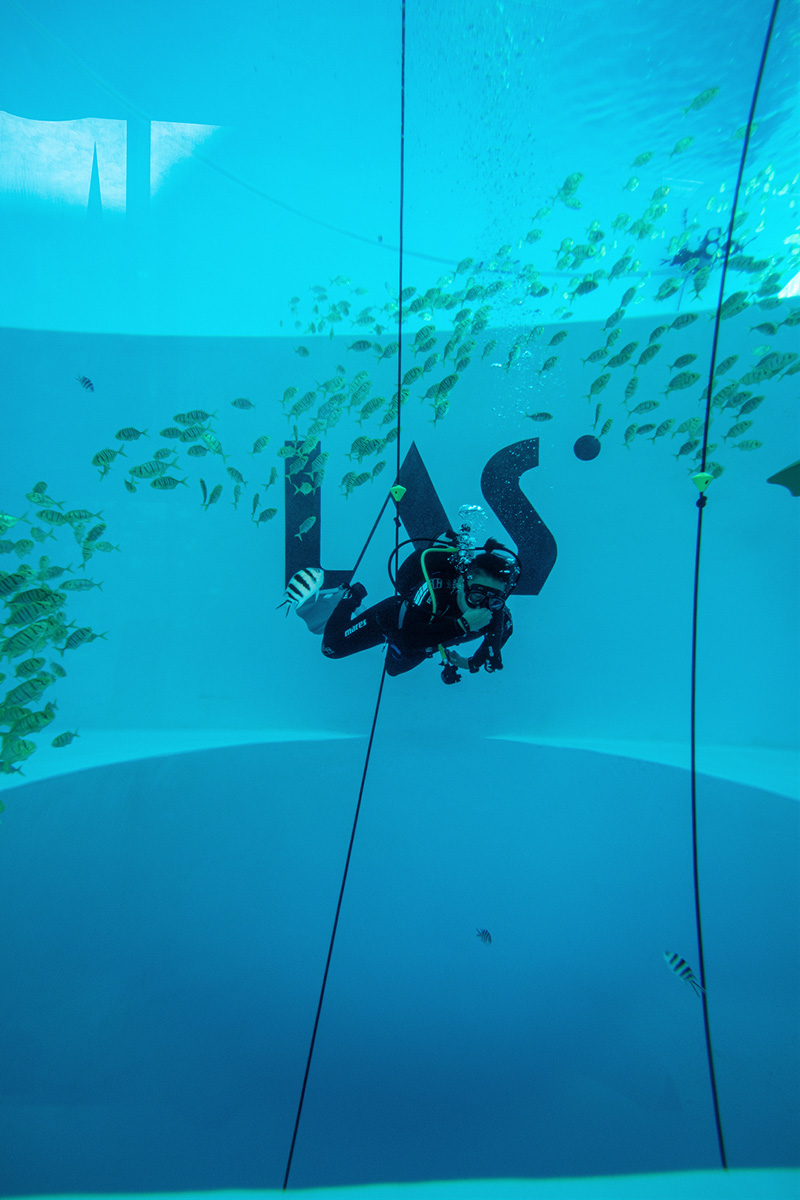
The Alibaba Headquarters acrylic diving pool in Hangzhou, China, shows how transparent acrylic engineering can turn a marine display into an immersive underwater experience. Instead of viewing fish from outside a tank, visitors can enter a safe acrylic diving environment and swim among approximately 3,000 golden trevally.
For Lanhu Acrylic, this project was more than a custom pool installation. It was a complete marine experience space that connected acrylic structure design, aquatic environment planning, marine education, and visitor interaction into one integrated project.
A New Generation of Marine Experience Space
Traditional aquariums are usually designed around observation. Visitors stand outside the glass and watch marine life from a fixed viewing angle. Modern marine attractions, however, are moving toward a more participatory model. People want to feel closer to the underwater world, understand marine life in a more natural way, and experience water spaces as part of the environment rather than as distant displays.
The Alibaba Headquarters project responded to this change by creating a lightweight acrylic marine diving experience center. With its transparent structure and open underwater atmosphere, the project allows visitors to enter the water, observe fish from multiple perspectives, and experience a closer connection with marine life.
This also demonstrates a broader direction for acrylic architecture. Transparent acrylic is no longer limited to simple viewing windows. In advanced aquatic projects, it can become the core material for immersive pools, underwater viewing spaces, marine education centers, and interactive aquarium environments.
From Concept to Reality: Designing a Lightweight Acrylic Diving Pool
The goal of the project was not simply to build another swimming pool or aquarium. The challenge was to create an underwater space where visitors could safely dive, interact with marine life, and feel surrounded by the ocean in a controlled environment.
To achieve this vision, Lanhu Acrylic developed a customized acrylic diving pool solution using high-transparency acrylic panels. The project required a balance between visual clarity, structural performance, visitor safety, and aquatic environmental stability.
Compared with traditional glass structures, acrylic offers several advantages for large underwater applications. It provides excellent optical clarity, stronger design flexibility for customized shapes, good impact resistance, and the ability to create large transparent viewing surfaces with a more seamless visual effect.
These properties make acrylic suitable for advanced applications such as acrylic diving pool projects, acrylic swimming pools, large public aquariums, marine experience centers, underwater viewing structures, and architectural water features.
Why Acrylic Was Suitable for This Marine Diving Experience Center
An acrylic diving pool must do more than look transparent. It must support continuous water pressure, maintain long-term clarity, and integrate with a stable aquatic environment. For a project that allows people to enter the water and interact with fish, engineering reliability is just as important as visual impact.
Acrylic allows designers to create a softer and more open visual experience than many conventional transparent structures. When visitors are inside the diving environment, the material helps reduce the sense of separation between people and marine life. This is especially valuable for experience-based spaces where education, entertainment, and emotional connection all matter.
Lanhu Acrylic’s manufacturing background also supports this type of project. The company positions itself as an expert acrylic aquarium supplier and highlights its experience in acrylic tunnels, acrylic viewing panels, underwater restaurant installations, acrylic swimming pools, and drifting river systems. Its acrylic capabilities include large panel production, forming, polishing, inspection, packaging, and international delivery support.
For clients planning transparent marine attractions, choosing an experienced acrylic aquarium supplier is important because the final result depends on both the material quality and the engineering process behind it.
3,000 Golden Trevally: Creating an Immersive Underwater World
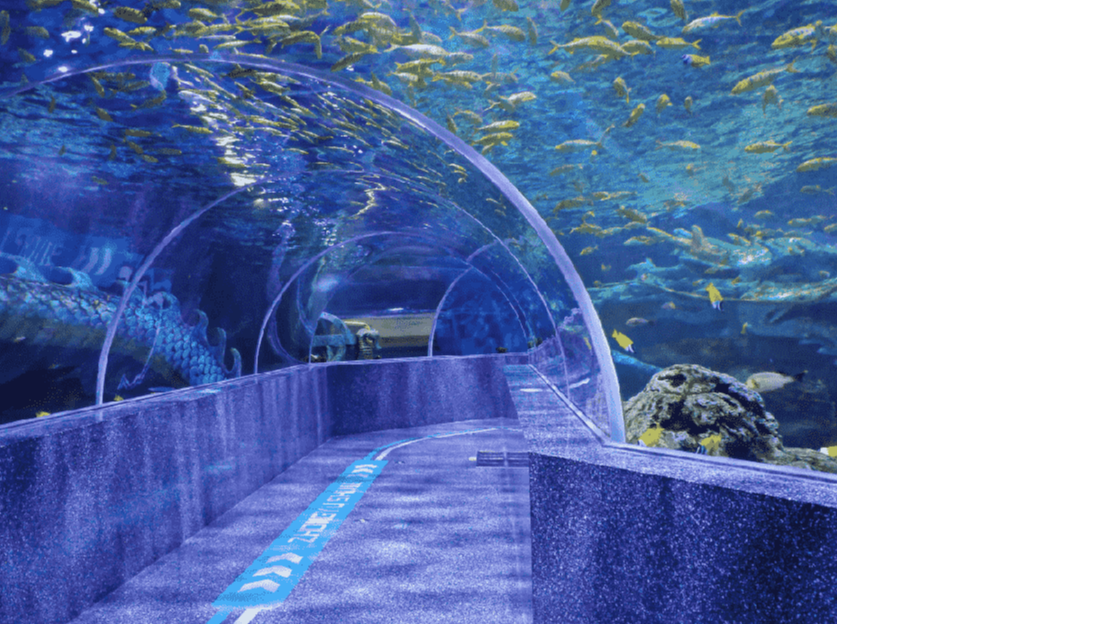
One of the most distinctive features of the Alibaba Headquarters marine experience center is the introduction of approximately 3,000 golden trevally fish. Instead of observing marine life through a single viewing panel, visitors can enter the acrylic diving pool and experience the feeling of swimming among thousands of fish.
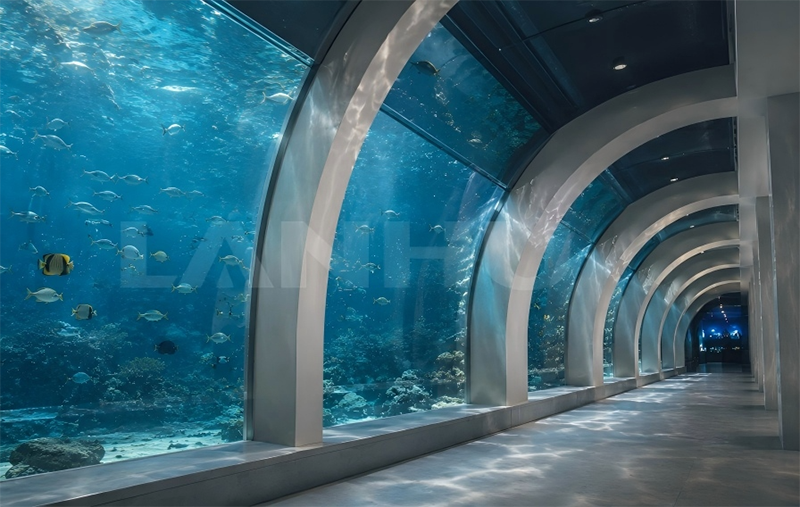
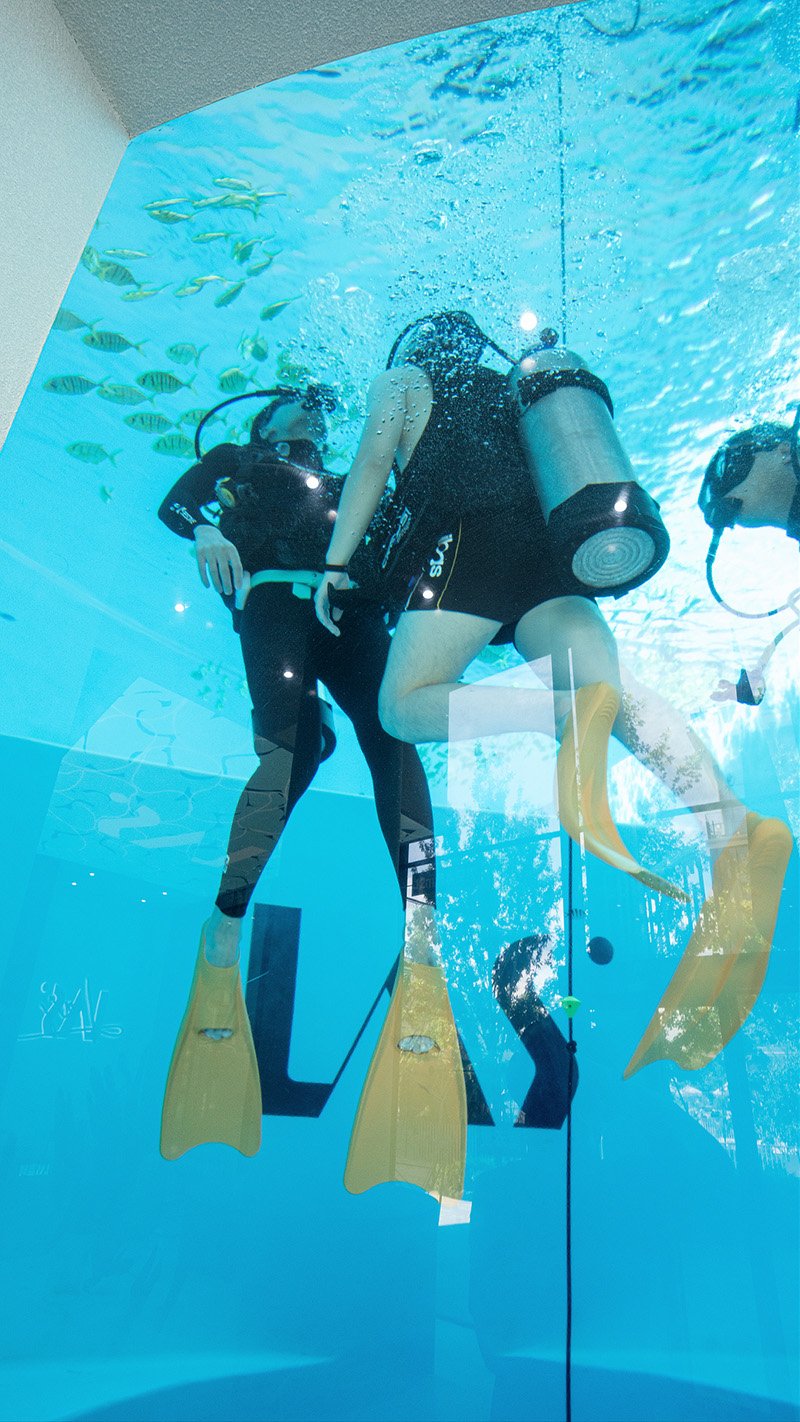
The transparent acrylic structure creates an open underwater environment where people can observe movement, light, water, and marine life from different angles. This changes the role of the visitor from a passive observer to an active participant in the marine space.
The experience also adds strong educational value. When visitors can see how fish move in groups, how they respond to the surrounding environment, and how an aquatic habitat is maintained, the project becomes more than an attraction. It becomes a living marine classroom.
This is why immersive aquatic projects are becoming more attractive for corporate campuses, cultural destinations, science education spaces, hotels, shopping centers, and tourism projects. They create memorable spaces that combine visual impact with real visitor engagement.
Engineering Challenges Behind a Transparent Marine Space
Creating a large-scale acrylic diving pool requires much more than installing transparent panels. Behind the final visual effect is a complete engineering process involving structural design, acrylic fabrication, installation coordination, and aquatic environment integration.
Structural Design
The acrylic structure must withstand continuous water pressure while maintaining transparency and stability over time. This requires careful evaluation of panel size, water depth, support conditions, connection details, and long-term safety requirements.
Acrylic Fabrication
Large acrylic components require precise manufacturing processes. Dimensional accuracy, edge treatment, polishing quality, and internal stress control all affect the final performance of the acrylic structure. For visitor-facing aquatic spaces, optical clarity and surface quality are especially important.
Installation Engineering
Transportation, lifting, positioning, and final integration require professional project coordination. Acrylic panels are large, valuable, and sensitive to handling conditions, so installation must be planned carefully to ensure the structure performs safely after completion.
Aquatic Environment Integration
A successful marine experience center must also consider water quality management, filtration, lighting, circulation, and the living requirements of marine organisms. The acrylic structure is only one part of the project. The aquatic system behind it determines whether the experience can operate safely and consistently.
Lanhu Acrylic’s aquarium engineering design experience helps connect these different requirements into a complete project solution, from early planning and acrylic structure design to system integration and final operation support.
Returning to Experience the Completed Project
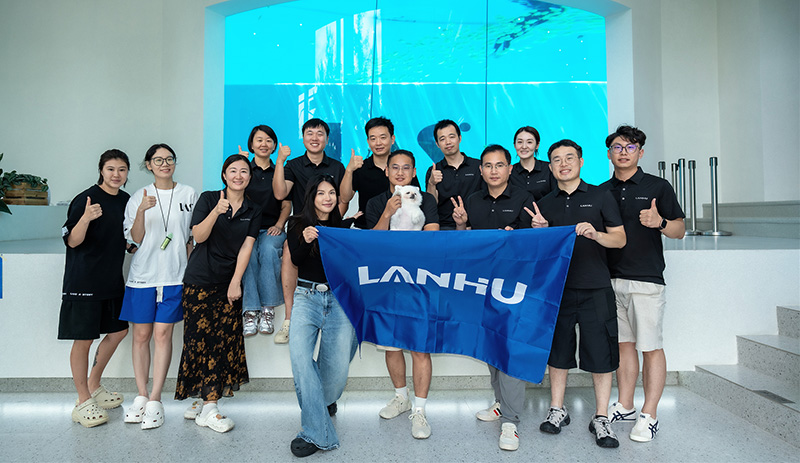
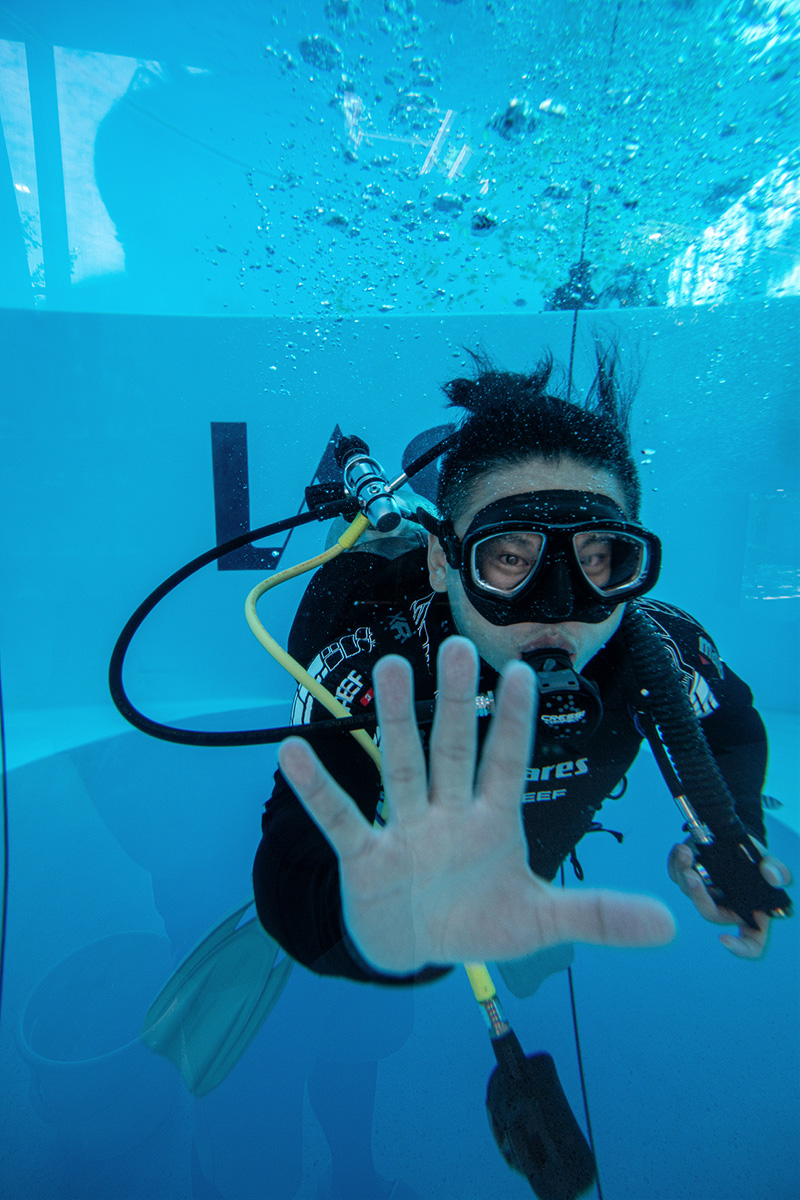
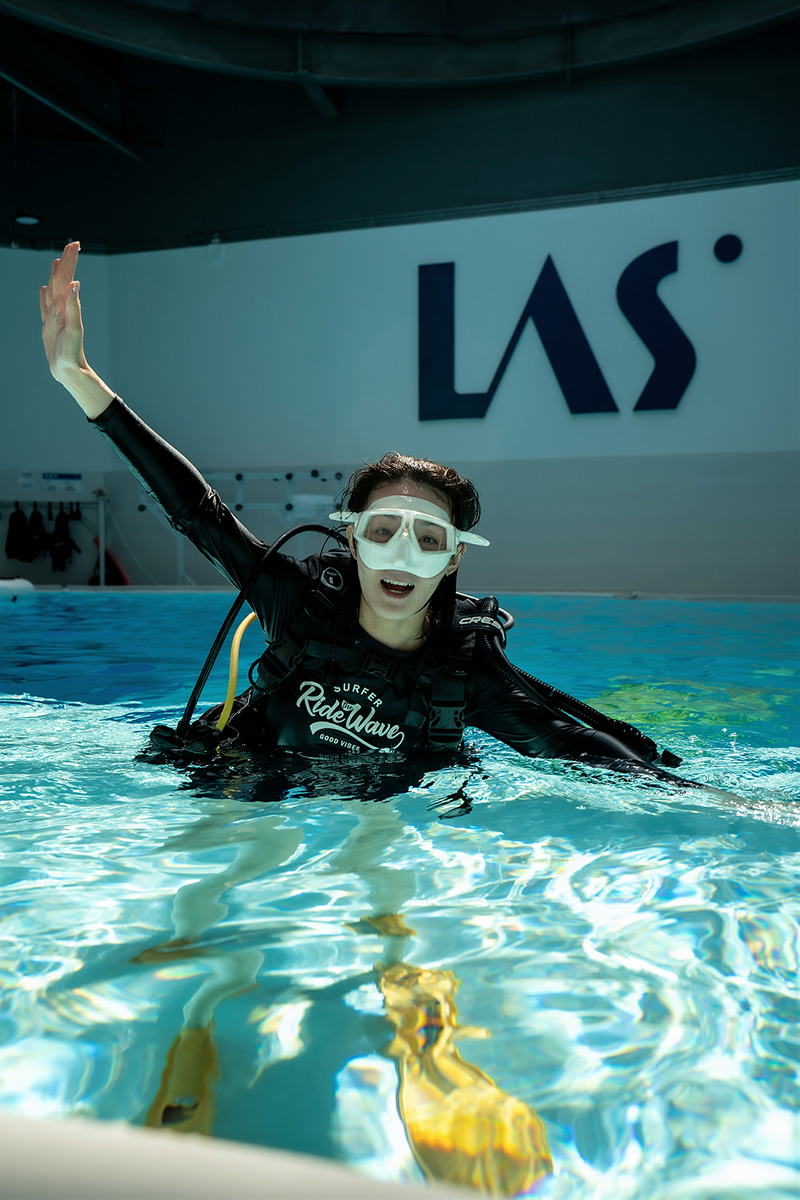
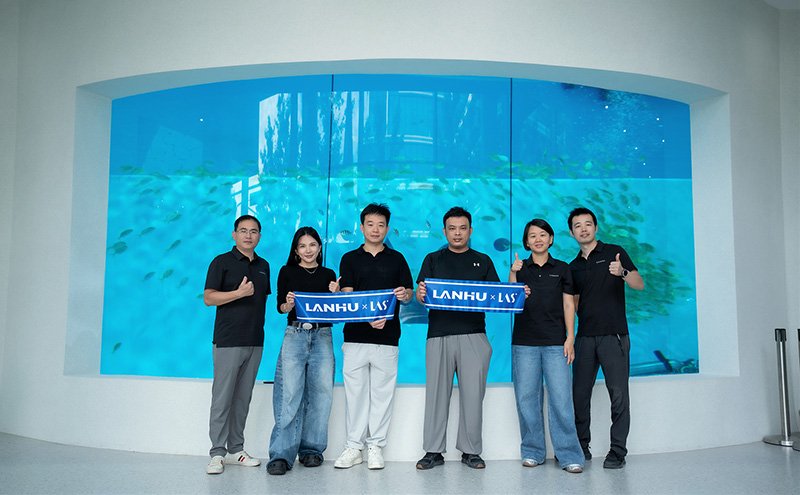
After the Alibaba Headquarters project was completed, the Lanhu Acrylic design team returned to the site to experience the marine diving center they had designed and built.
For engineers and designers, seeing a completed project is always meaningful. Experiencing it personally creates a deeper understanding of how visitors interact with the space. Standing inside the transparent acrylic diving environment and swimming alongside thousands of golden trevally allowed the team to evaluate the project from the visitor’s perspective.
This experience also reflects an important principle in aquarium engineering: great projects are not only about materials, calculations, and construction. They are about creating memorable environments that connect people with nature.
The Future of Acrylic Architecture and Marine Experiences
The Alibaba Headquarters acrylic diving pool represents a new direction for transparent architectural design. As demand grows for immersive entertainment, marine education, luxury hospitality, and distinctive visitor experiences, acrylic technology will continue to expand the possibilities of underwater environments.
Future applications may include larger acrylic swimming pools, transparent resort pools, underwater restaurants, public aquarium tunnels, corporate marine experience centers, science education exhibits, and architectural water features. In each case, acrylic can help create a stronger visual connection between people, water, and aquatic life.
Lanhu Acrylic continues to develop customized solutions for large-scale acrylic aquariums, marine attractions, and custom acrylic aquarium manufacturer projects that require design, engineering, fabrication, transportation, and installation support.
About Lanhu Acrylic
Lanhu Acrylic is a professional acrylic aquarium and aquatic engineering company specializing in custom acrylic aquariums, large-scale acrylic panels, acrylic swimming pools, acrylic diving pools, public aquarium engineering, and aquatic architectural projects.
From design development and acrylic fabrication to transportation and installation, Lanhu Acrylic provides complete solutions for clients planning public aquariums, marine attractions, commercial aquariums, private luxury aquariums, acrylic pool projects, and immersive underwater spaces.
Conclusion
The Alibaba Headquarters acrylic diving pool shows how transparent acrylic technology can reshape the way people experience marine spaces. By combining structural acrylic engineering, aquatic environment planning, and immersive visitor design, Lanhu Acrylic helped create a project where people can move from watching the ocean to entering an underwater world.
For future marine attractions, hotels, cultural spaces, corporate campuses, and educational destinations, this project offers a clear message: acrylic is not only a material for viewing. It is a design tool for creating new relationships between people, architecture, water, and marine life.
FAQs
What is an acrylic diving pool?
An acrylic diving pool is a transparent pool structure that uses acrylic panels or acrylic viewing surfaces to create an immersive underwater experience. It can be used for marine attractions, diving experience centers, educational spaces, hotels, and architectural water features.
Why is acrylic used instead of glass in large underwater projects?
Acrylic is often used in large underwater projects because it offers high optical clarity, design flexibility, impact resistance, and the ability to form large transparent viewing surfaces. It is especially suitable for customized aquarium structures, diving pools, and underwater viewing environments.
What makes the Alibaba Headquarters acrylic diving pool unique?
The project combines a transparent acrylic diving environment with approximately 3,000 golden trevally fish, allowing visitors to swim inside the marine space rather than only observing fish from outside a tank.
What should clients consider before building an acrylic diving pool?
Clients should consider structural safety, acrylic panel design, water depth, filtration systems, lighting, marine life requirements, visitor flow, installation conditions, and long-term operation. A successful project requires both acrylic engineering and aquatic system expertise.
Can Lanhu Acrylic support custom marine experience projects?
Yes. Lanhu Acrylic provides customized acrylic aquarium, acrylic pool, and aquatic architectural project solutions, including design development, acrylic fabrication, transportation, installation, and project engineering support.