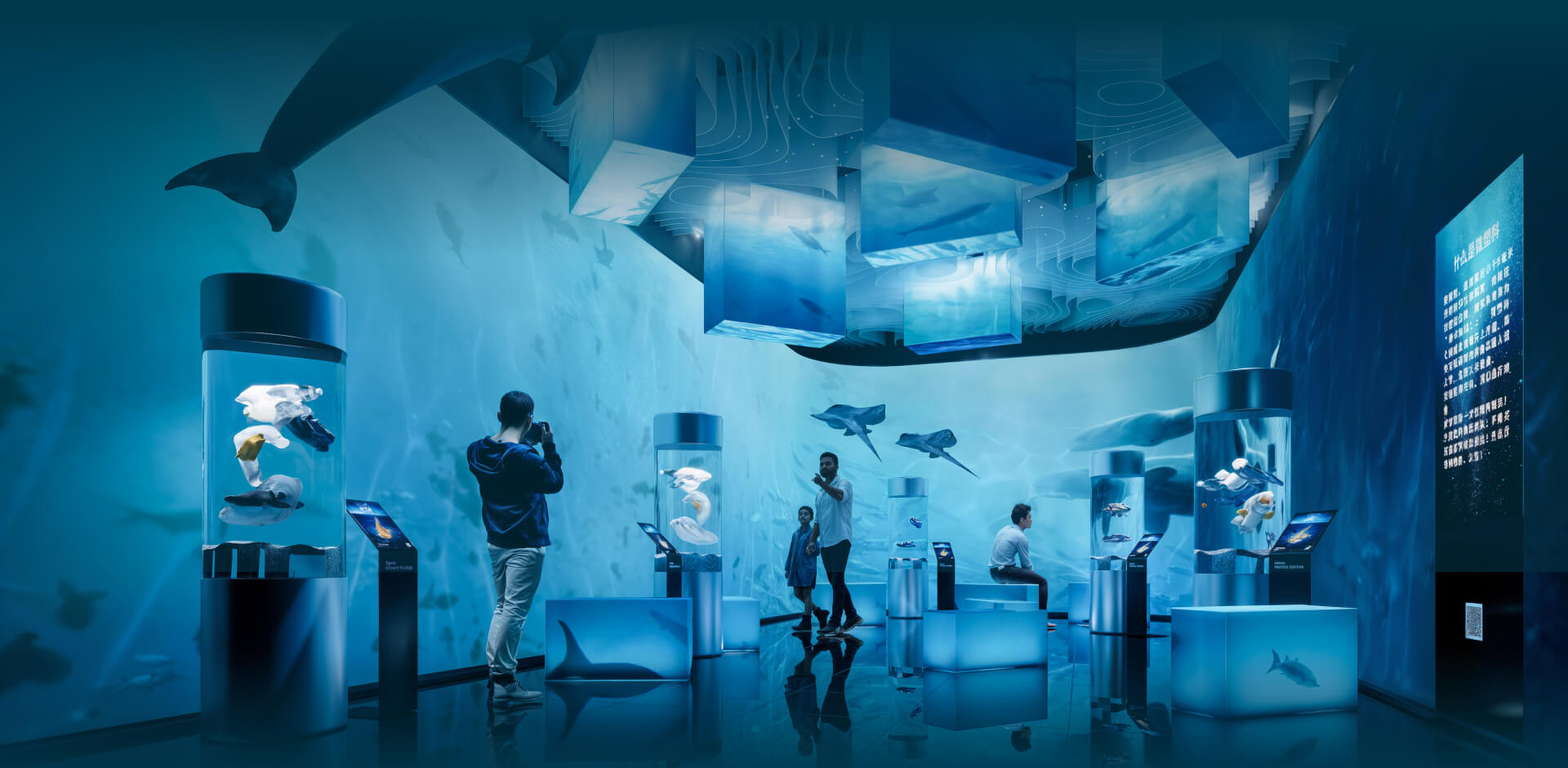
Acrylic Underwater Tunnel Design for Oceanariums and Theme Parks


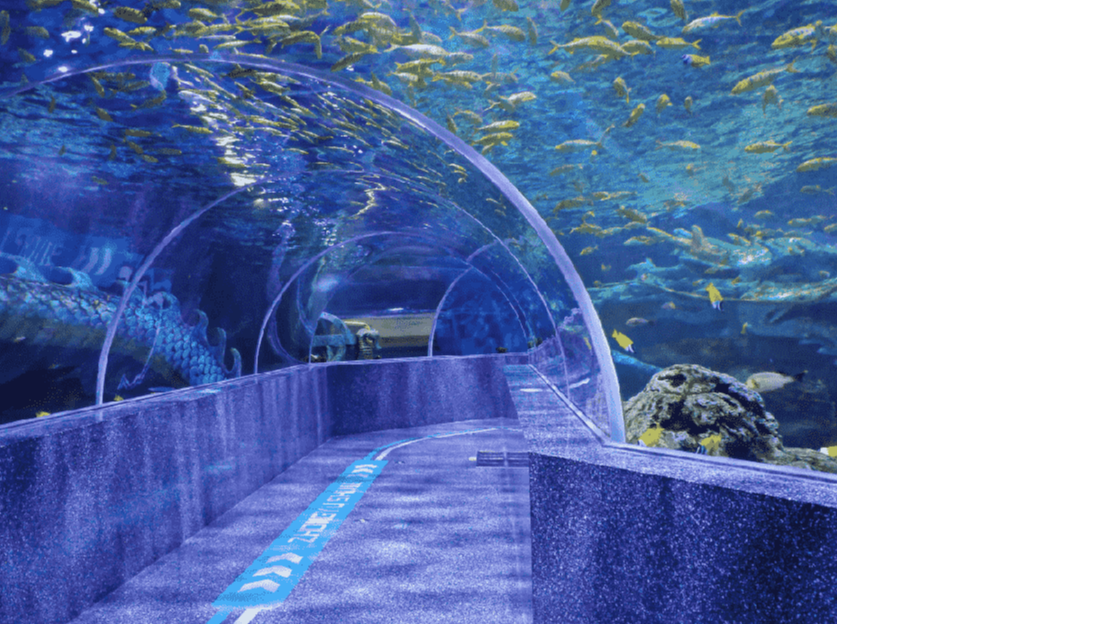
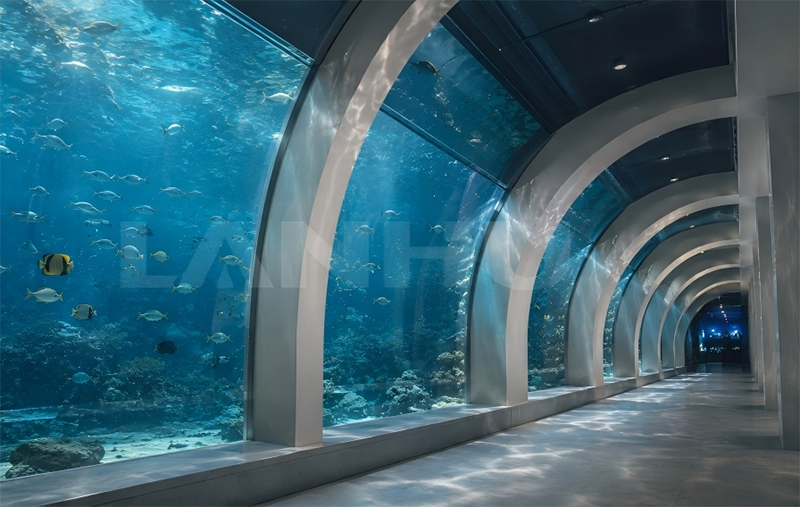
An acrylic underwater tunnel turns an aquarium from a viewing display into a walk-through experience. Visitors do not only look at marine life from the outside; they move through the exhibit, look upward, and feel surrounded by the aquatic environment.
Editorial note: This article is written for oceanarium developers, theme park planners, aquarium architects, commercial attraction investors, and engineering teams. It explains design and planning considerations for acrylic underwater tunnel projects.
Why Underwater Tunnels Attract Visitors
An underwater tunnel creates a stronger sense of immersion than a single viewing window because it changes the visitor’s body position inside the exhibit. People walk, stop, look up, take photos, and share the experience. For public aquariums and theme parks, this makes the tunnel a high-value attraction area rather than a simple circulation path.
The tunnel can support several project goals at the same time: education, destination branding, longer dwell time, family photo opportunities, and a more memorable route through the aquarium. This is why tunnel design should begin with visitor experience and not only structural drawings.
Start With Visitor Flow and Storytelling
Acrylic underwater tunnel design should answer one basic question: what should the visitor feel while moving through the space? Some tunnels are designed as a dramatic entry into the ocean zone. Others create a quiet deep-sea passage, a tropical reef walk, or a transition between exhibition halls.
The tunnel length, curve, lighting, theme, entry angle, and surrounding habitat all influence the experience. If the tunnel is too short, it may feel like a photo spot rather than a journey. If the tunnel is too long without visual changes, visitors may move through quickly. A good design uses rhythm, lighting, sightlines, and aquatic habitat composition to keep the experience engaging.
Common Acrylic Tunnel Forms
Different tunnel forms serve different design purposes. The right choice depends on site size, tank geometry, visitor route, and the intended level of immersion.
Straight acrylic tunnel: suitable for clear movement through a large tank or between two exhibit zones.
Curved acrylic tunnel: useful when the route needs to guide visitors around a themed habitat or architectural feature.
90-degree acrylic tunnel: designed for stronger spatial transition and dramatic perspective changes.
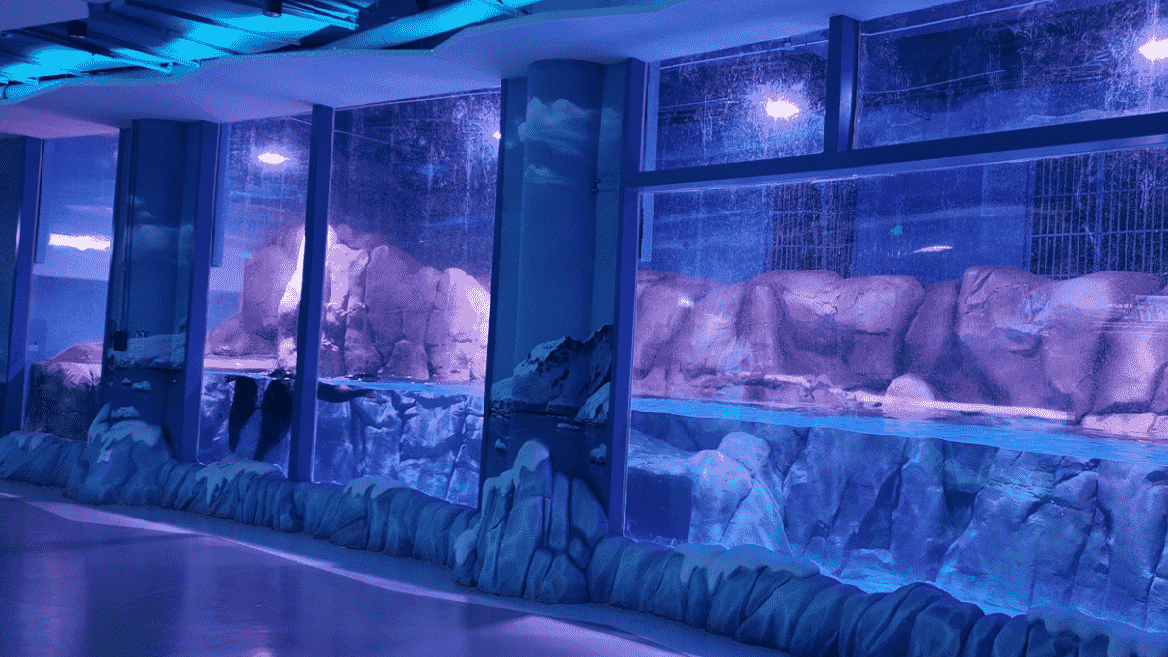
Acrylic dome: creates an observation point where visitors can stand below or inside a focused underwater view.
Lanhu’s acrylic underwater tunnel category includes acrylic underwater tunnel, 90° acrylic underwater tunnel, acrylic tunnel, and acrylic dome products, making it a natural internal landing page for tunnel-related topics.
Structural Coordination Comes Before Visual Finishing
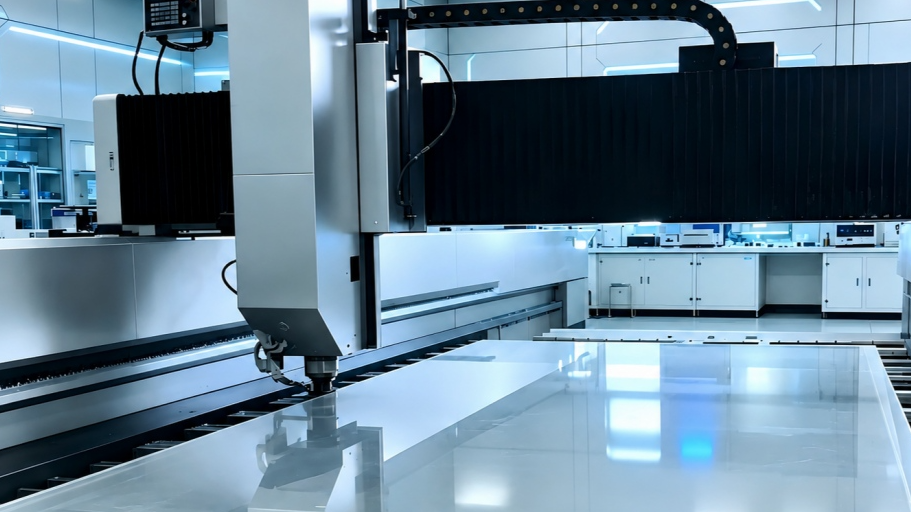
A tunnel must look seamless to the visitor, but its engineering must be carefully coordinated behind the scenes. The acrylic structure needs to work with tank walls, embedded supports, waterproofing, floor levels, maintenance access, and installation equipment. The design team should confirm whether acrylic sections can be produced, transported, lifted, aligned, and sealed within the available site conditions.
For international projects, logistics must be considered early. Large tunnel components may require special packaging, lifting planning, route checking, export documentation, and on-site handling. If transportation is considered only after production, the project can face delays or redesign.
Water Depth and Viewing Radius Affect the Design
The visual impression of an acrylic underwater tunnel depends on how water surrounds the visitor. A shallow tunnel may feel bright and family-friendly. A deeper tunnel can feel more dramatic and oceanic. A wide viewing radius allows visitors to see above and around them, while a tighter radius may suit smaller spaces or focused routes.
However, these visual decisions are also structural decisions. Water depth, tunnel radius, span, support condition, and load transfer all affect the engineering design. The acrylic thickness and forming method should be selected after the project team understands the viewing requirement and the structural environment.
Coordinate Tunnel Design With Life Support Systems
The tunnel is only one part of the aquarium system. The surrounding water must remain clear, stable, and suitable for the selected aquatic life. A tunnel with poor water circulation or difficult cleaning access may lose visual quality over time even if the acrylic structure is well made.
That is why life support system planning should happen together with architectural and acrylic design. Water circulation, filtration, lighting, habitat layout, maintenance routes, and animal welfare requirements all influence the final visitor experience. Lanhu’s service system includes life support system design, installation, testing, water quality stabilization, and operational training as part of its broader aquarium engineering process.
What Project Owners Should Prepare Before Requesting Tunnel Design
Before asking for an underwater tunnel proposal, project owners should prepare enough information for feasibility review. A concept image alone is not enough for an accurate solution.
Project type: oceanarium, theme park, museum, commercial attraction, restaurant, or resort
Estimated tunnel length, width, height, and preferred route
Water depth and tank concept
Expected visitor volume and circulation direction
Architectural drawings or preliminary layout
Construction site access and installation constraints
Target opening date and project delivery scope
Project Evidence and Case Direction
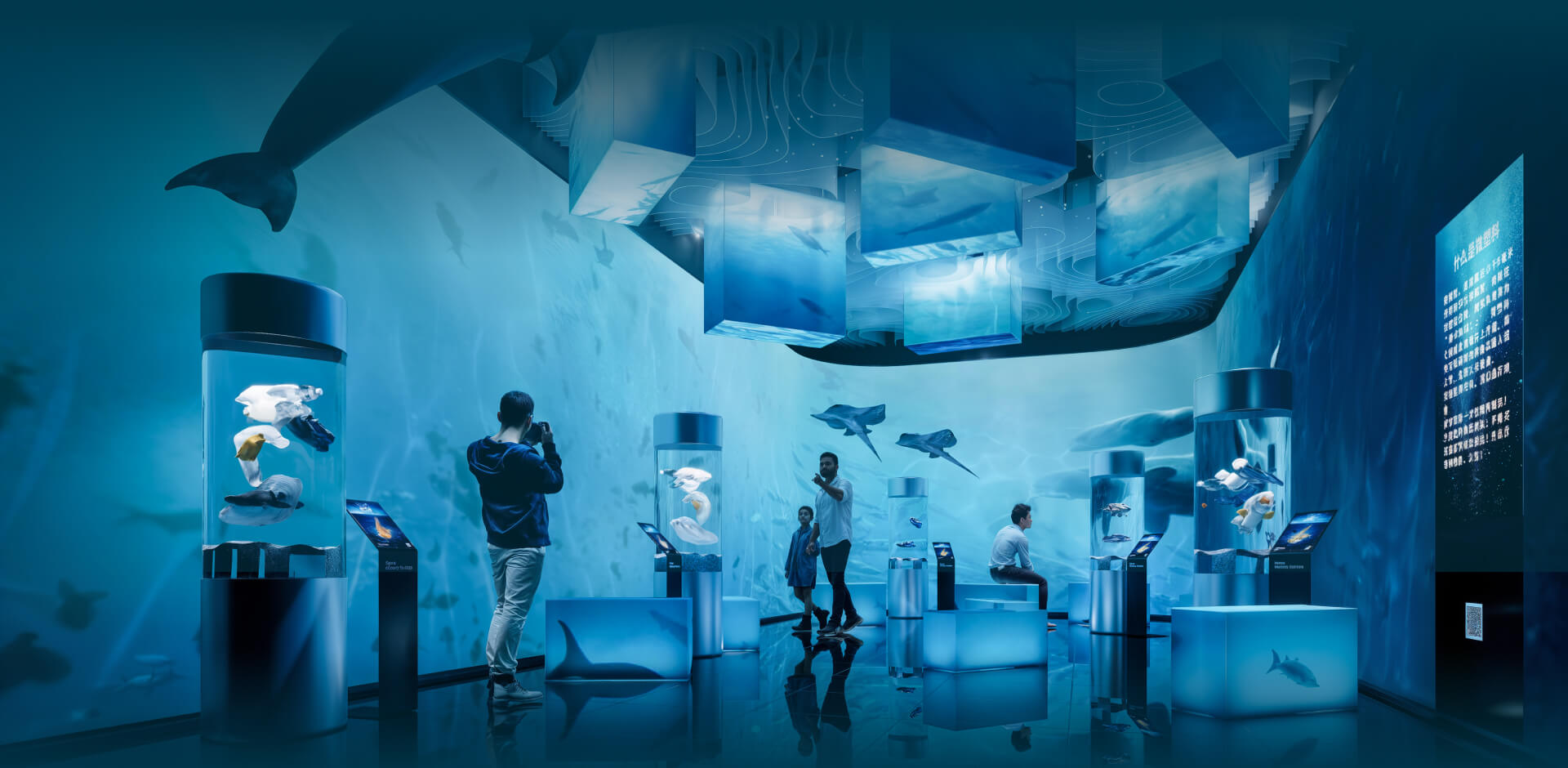
Underwater tunnels are especially suitable for public aquariums, museums, science centers, and theme attractions where the visitor journey is part of the business model. Lanhu’s museum and science center project examples include projects that combine underwater tunnels, panoramic acrylic viewing systems, and diversified ecological exhibition tanks.
For broader project reference, its all project types page can be used to compare tunnel-related exhibits with commercial aquariums, private aquariums, acrylic pools, and large marine attractions.
Conclusion
An acrylic underwater tunnel should be designed as a visitor experience, a structural system, and an operational aquarium component at the same time. The best tunnel projects begin with storytelling and circulation, then integrate acrylic structure, water depth, life support systems, logistics, installation, and commissioning. When all these elements are coordinated early, the tunnel becomes a memorable attraction rather than just a transparent passage.
FAQs
What is an acrylic underwater tunnel?
An acrylic underwater tunnel is a transparent tunnel structure that allows visitors to walk through an aquarium or aquatic exhibit while viewing water and marine life around them.
Where are acrylic tunnels commonly used?
They are commonly used in oceanariums, public aquariums, theme parks, museums, underwater restaurants, commercial attractions, and resort projects.
What affects the design of an aquarium tunnel?
The design is affected by visitor flow, tunnel route, water depth, tank geometry, acrylic radius, structural support, logistics, installation conditions, life support systems, and maintenance access.
Is a 90-degree acrylic tunnel suitable for small spaces?
It can be suitable when the project needs a strong spatial turn or immersive transition, but the feasibility depends on radius, available space, support structure, and visitor circulation.